

Build your startup in Europe’s only English-speaking EU nation, home to tech giants like Stripe, Intercom, and Google’s European headquarters. Ireland’s Start-up Entrepreneur Programme offers entrepreneurs a direct path to establishing innovative businesses in one of the world’s most business-friendly environments.
The Start-up Entrepreneur Programme (STEP) was introduced by the Irish Government in 2012 to attract innovative entrepreneurs who can contribute to Ireland’s knowledge-based economy. Unlike employment-based immigration routes, STEP allows founders to establish and operate their own businesses in Ireland without needing a separate employment permit.
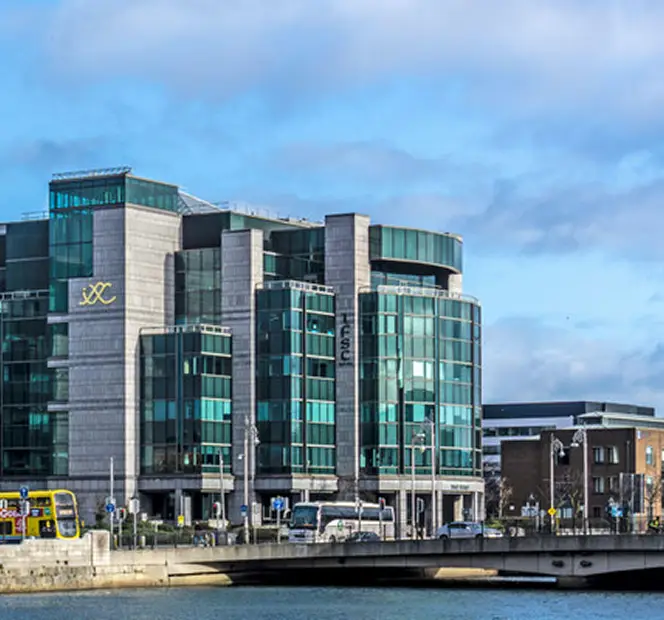
Ireland’s unique position as the only English-speaking country remaining in the European Union after Brexit, combined with its 12.5% corporate tax rate and robust tech ecosystem, makes it an exceptionally attractive destination for entrepreneurs seeking access to EU markets. The country hosts the European headquarters of major tech companies including Google, Meta, Apple, LinkedIn, and Salesforce, creating a rich ecosystem of talent, capital, and partnership opportunities.
STEP focuses on High Potential Start-Ups (HPSUs)—businesses with the potential to develop innovative products or services for international markets, create significant employment, and generate substantial revenue. The program specifically targets entrepreneurs in manufacturing, internationally traded services, and technology sectors, excluding retail, catering, and personal services businesses.
The program offers a clear pathway from temporary residence to permanent residence and eventual citizenship, with entrepreneurs able to apply for Irish naturalization after five years of residence. Ireland allows dual citizenship, and Irish citizenship grants full EU citizenship rights, including the freedom to live, work, and study anywhere in the 27 EU member states.


STEP applicants can include their spouse or partner and dependent children under 18 years of age in the application. Spouses are granted the right to work in Ireland without the need for a separate employment permit, supporting dual-income households
Ireland does not require language proficiency tests for residence permits or citizenship through naturalization, making the immigration pathway more accessible compared to many other European countries.
After five years of reckonable residence, STEP holders may apply for Irish citizenship through naturalization. Irish citizenship provides full EU citizenship rights, including freedom to live, work, and study across all EU member states.
Irish residence allows direct access to the European Union’s single market of approximately 450 million consumers, enabling businesses to operate across EU countries without trade barriers or tariffs.
Ireland consistently ranks highly for quality of life, offering excellent healthcare, strong education systems, a safe living environment, and a balanced work-life culture.

Ireland offers a 12.5% corporate tax rate on trading income, significantly below the OECD average. The Knowledge Development Box (KDB) can further reduce tax on qualifying IP profits to as low as 6.25%–10%.
As the only native English-speaking country in the EU, Ireland removes language barriers for entrepreneurs. All legal documentation, government services, and business operations are conducted in English.
Ireland hosts multiple unicorn startups and the European headquarters of global technology leaders. Dublin’s Silicon Docks provides strong networking, talent access, and partnership opportunities for high-growth companies.
Enterprise Ireland actively supports startups through direct investment, mentorship initiatives, accelerator programs such as New Frontiers, and assistance with international market expansion.
A 25% R&D tax credit is available on qualifying research and development expenditure, helping innovative companies significantly reduce their effective tax burden when combined with the 12.5% corporate tax rate.
New businesses may qualify for corporate tax exemptions on trading profits for up to three years under startup relief schemes, with capital investment relief of up to 41% in eligible cases.
Primary Founder: Minimum €50,000 in funding available to establish the business. This funding can come from:
Subsequent Co-Founders: €30,000 per additional founder included in the same application.

Your business proposal must qualify as a High Potential Start-Up (HPSU), defined as:


Important: The Minister for Justice has instructed that no further STEP applications from Russian or Belarusian citizens will be accepted.
Prepare a comprehensive business plan clearly demonstrating High Potential Start-Up (HPSU) capability. This includes an executive summary, business concept and value proposition, target market and competitive advantage, revenue model and pricing, detailed market analysis with international growth potential, product or service innovation, development roadmap, IP strategy, three-year financial projections, a clear path to €1 million in sales, and a job creation plan for 10 jobs within 3–4 years.
Document founder backgrounds, relevant experience, and key skills, including advisory board details if applicable. Prepare a clear funding plan showing minimum €50,000 secured funding, future funding needs, and a detailed breakdown of how funds will be used.
Assemble all required documents, including the completed STEP application form, passport copies for the applicant and dependents, proof and source of €50,000 funding, police/character reports, professional qualifications, CVs, and the finalized business proposal.
Submit the complete application electronically to startup@justice.ie, ensuring all documents are complete, clearly legible, translated into English where required, and properly certified
Pay the non-refundable €350 application fee via electronic fund transfer to the Department of Justice using the specified bank details. Include the correct payment reference format (STEP – [Passport Number]) and ensure the full amount is received, covering any transfer or currency exchange fees.
Confirm that all forms, financial evidence, and supporting documents meet the programme requirements, as incomplete or incorrectly prepared applications may delay evaluation or result in refusal.
An independent evaluation committee of senior public and civil servants reviews applications on a quarterly basis. The committee assesses innovation, scalability, and commercial viability and may request additional information or clarification.
Based on the committee’s recommendation, the Minister for Justice makes the final decision on the application.
If approved, you receive a permission letter allowing you to enter Ireland (visa required for some nationalities), register with immigration authorities, and begin establishing your business. If refused, you receive written reasons for refusal; the Minister’s decision is final with no formal appeal process.


Genuinely novel product or service that clearly differentiates from existing solutions. A large addressable market with international potential and a defensible competitive advantage.

A realistic path to €1 million in revenue within 3–4 years, with a viable strategy to create 10+ jobs in Ireland. The business model supports international expansion and scalable growth.

Relevant industry experience. Previous entrepreneurial track record. Technical or domain expertise. Demonstrated ability to execute.

Adequate initial funding (€50,000+). Realistic financial projections. Clear understanding of capital requirements. Pathway to additional funding if needed.

Applicants should clearly show innovation, scalability, capable founders, and financial readiness. Evidence of market validation strengthens the case.

A well-prepared application that addresses all criteria increases the likelihood of approval. Focus on clear documentation, realistic projections, and alignment with growth objectives.
Yes, you can apply for STEP while in Ireland on another permission type. If approved, your status would change to the STEP permission.
There is no formal age limit. However, you must demonstrate the ability and experience to execute your business plan successfully.
Yes, multiple founders can be included in the same STEP application. The primary founder needs €50,000, and each additional founder requires €30,000.
The €50,000 can come from various legitimate sources including personal funds, angel investors, venture capital, or business loans. The key is demonstrating the funding is available and committed to your business.
No. STEP specifically excludes retail, catering, and personal services businesses. The program targets innovative, export-focused enterprises in manufacturing or internationally traded services.
Applications are reviewed quarterly by the evaluation committee. From submission to decision typically takes 3-6 months, depending on when in the quarterly cycle you apply.
No. The Minister’s decision is final and not subject to review or appeal. However, you can reapply with an improved proposal.
No. You can apply with a business proposal before incorporating. Company registration happens after approval when you arrive in Ireland.
You’ll receive written notification specifying what additional information is needed. Respond promptly and completely to avoid delays.
No. STEP requires you to work exclusively on your startup business on a full-time basis. Outside employment is not permitted.
Yes. Spouses of STEP holders receive permission to work without requiring a separate employment permit..
No. You can establish your business anywhere in Ireland. While Dublin has the largest startup ecosystem, Cork, Galway, and Limerick also have growing tech scenes with lower living costs.
You need comprehensive private health insurance covering Ireland. The public healthcare system is available to residents, but private insurance is required for STEP applicants.
Innovation means introducing a genuinely new or improved product or service to international markets. This could be technological innovation, business model innovation, or novel approaches to existing problems.
Business failure can affect your ability to renew STEP permission. However, genuine business challenges are understood; what matters is your good faith efforts. You should consult with an immigration advisor about your options.
Minor pivots within your approved business sector are generally acceptable. Significant changes to your business model should be discussed with immigration authorities to ensure continued eligibility.
Yes. STEP holders can apply for Enterprise Ireland’s HPSU and Pre-Seed funding programs, which provide equity investment up to €400,000 for qualifying startups.
After 5 years of lawful residence (60 months), you can apply for Long-Term Residency (Stamp 4) through the Immigration Service Delivery. This requires demonstrating continued residence, employment or business activity, and good character.
No. Ireland does not require language proficiency tests or civic knowledge exams for naturalization. You must be of good character and meet the residence requirements.
Yes. Ireland allows dual citizenship. Becoming an Irish citizen does not require renouncing your original nationality.
Residence on qualifying immigration permissions (including STEP) counts toward the 5-year requirement. Time on student visas or while awaiting protection decisions does not count.
Ireland offers entrepreneurs a unique combination of advantages: EU market access, an English-speaking environment, one of the world’s lowest corporate tax rates, and a thriving tech ecosystem that has produced multiple unicorns. The Start-up Entrepreneur Programme provides a clear pathway from business idea to permanent residence and eventual EU citizenship.
Deep Visa helps entrepreneurs navigate Ireland’s Start-up Entrepreneur Programme (STEP) with end-to-end support, including HPSU-compliant business plan development, application preparation, funding guidance, ecosystem introductions, and ongoing compliance and renewal assistance. Contact Deep Visa to explore how STEP can support your business growth in Europe.
Contact Deep Visa today to discuss how Ireland’s Start-up Entrepreneur Programme can help you build your business in the heart of Europe.